Scientists Discover Space Debris May Actually Require Space to Become Debris
Landmark study of one rocket suggests orbital mechanics may involve actual orbiting.
By Theo Pappas
Science & Society Desk
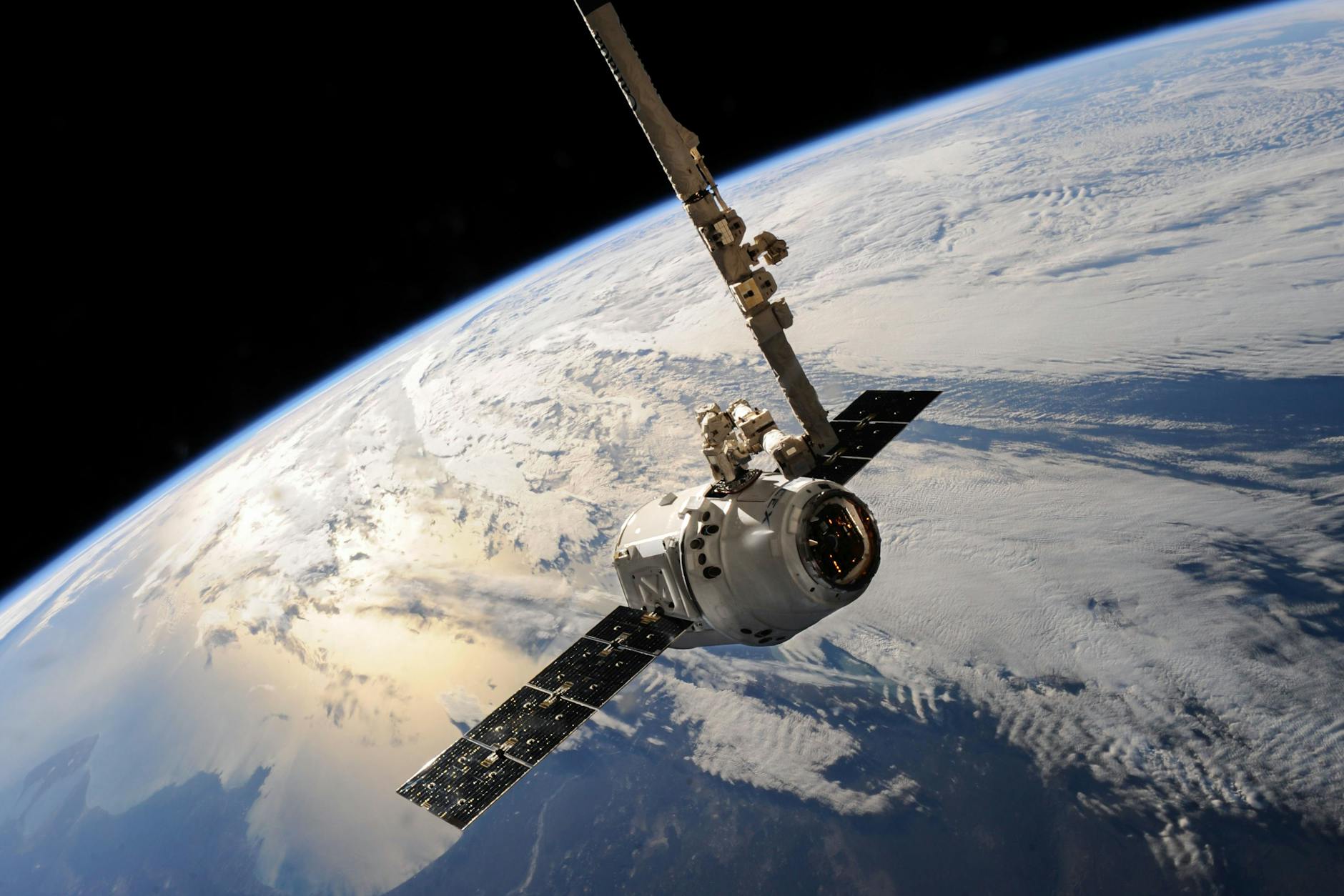
A new paper that is already drawing attention has confirmed that space debris may actually require existing in space before it can become debris, according to researchers who tracked a single SpaceX rocket over seven years. The study, which examined one Falcon 9 upper stage launched in 2015, appears to suggest that objects in space may be subject to the same gravitational forces that govern other objects in space.
"What makes this finding particularly striking is the implications for our understanding of how things work," said Dr. Elena Vasquez, Professor of Orbital Phenomenology at the Institute for Advanced Trajectory Studies. "We've always assumed that rockets launched into space would continue to exist in space, but this is the first time we've had empirical evidence that space-based objects may actually be located in space." The rocket, which has been drifting for nearly a decade, is expected to impact the Moon at approximately 5,800 miles per hour, consistent with the possibility that fast-moving objects may continue moving fast.
Dr. Marcus Chen, a specialist in Gravitational Inevitability at Stanford University who was not involved in tracking the rocket, told reporters that the findings could fundamentally alter how scientists think about the relationship between launching things and where those things end up. "The trajectory analysis suggests that when you launch something in a particular direction, it may continue traveling in that direction," Chen explained. "The implications for future space missions are staggering."
The study's authors noted that similar debris-formation events may be occurring throughout the solar system, though they acknowledged that confirming this would require actually observing space. "The real question," Vasquez told me, "is whether we're prepared to accept that rockets we launch might go places."
Share this article
Theo Pappas
Science & Society Desk, The Daily Fab
Theo Pappas covers science, technology, and society for The Daily Fab. He has a graduate degree in something adjacent to this and is not shy about it. He dislikes writing about geology.
More in Science
Study Confirms Disease Monitoring May Actually Require Monitoring Disease
By Theo Pappas · May 31, 2026
Scientists Discover Cruise Ship Quarantine May Actually Require Understanding What Quarantine Does
By Theo Pappas · May 30, 2026
WHO Director Discovers Disease Outbreaks May Actually Require Director to Visit Places Where Disease Is Outbreak-ing
By Theo Pappas · May 29, 2026