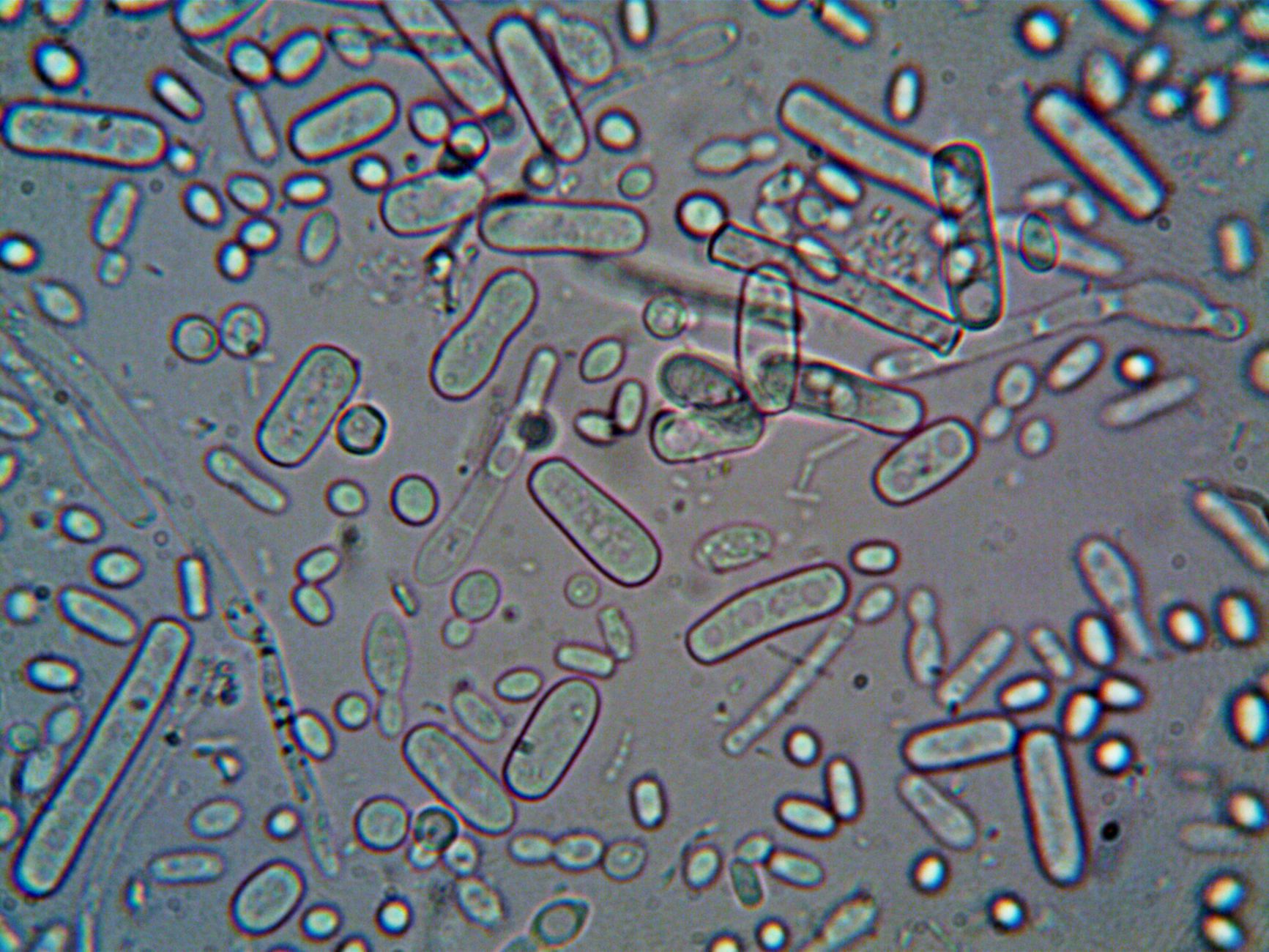
Study Confirms Single-Celled Organisms May Have Been Accidentally Developing Table Manners
Researchers express concern that amoebas' methodical consumption patterns suggest previously unknown commitment to etiquette.
By Theo Pappas
Science & Society Desk
A landmark study examining the feeding behaviors of pathogenic amoebas has revealed what researchers are calling a "disturbing display of organizational sophistication" in how the microscopic organisms approached their human host. The research, which documented a single case over several months, appears to suggest that amoebas may have developed what can only be described as dining protocols.
"What makes this finding particularly striking is the methodical nature of the consumption," said Dr. Helena Voss, Professor of Microbial Behavioral Studies at the Institute for Cellular Psychology in Geneva. "These organisms didn't just devour tissue randomly. They appeared to follow a structured approach that is consistent with the possibility of learned social behaviors at the cellular level." The study, which is already drawing attention from parasitologists worldwide, documented feeding patterns that researchers describe as "unnervingly polite."
Dr. Rajesh Patel, a microbiologist not involved in the research, expressed even greater alarm at the implications. "We're looking at single-celled organisms that may have developed complex social hierarchies around food consumption," Patel told reporters. "The timing, the coordination, the apparent consideration for maximizing host survival during feeding—this suggests cognitive capabilities we never imagined possible." According to the research, the amoebas' feeding schedule appeared to optimize for prolonged host viability, raising questions about their understanding of resource management.
"The real question," Dr. Voss noted in her concluding remarks, "is whether we've been fundamentally misunderstanding what constitutes intelligence in microscopic life forms, and what that means for our relationship with organisms we can't even see."
Share this article
Theo Pappas
Science & Society Desk, The Daily Fab
Theo Pappas covers science, technology, and society for The Daily Fab. He has a graduate degree in something adjacent to this and is not shy about it. He dislikes writing about geology.
More in Science
Study Confirms Disease Monitoring May Actually Require Monitoring Disease
By Theo Pappas · May 31, 2026
Scientists Discover Cruise Ship Quarantine May Actually Require Understanding What Quarantine Does
By Theo Pappas · May 30, 2026
WHO Director Discovers Disease Outbreaks May Actually Require Director to Visit Places Where Disease Is Outbreak-ing
By Theo Pappas · May 29, 2026