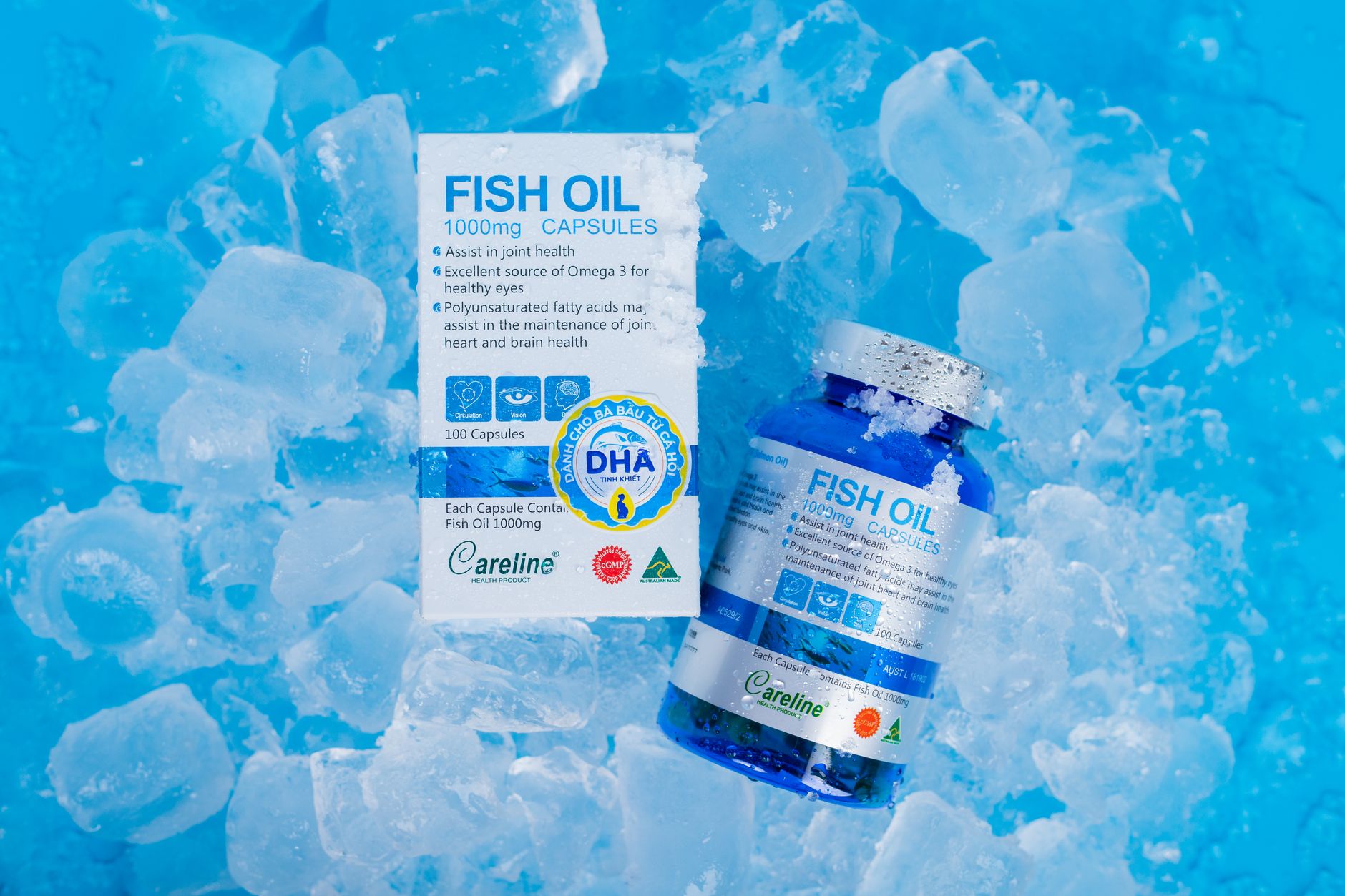
Scientists Discover Omega-3 Supplements May Have Been Accidentally Optimizing Brain for Wrong Species
Landmark study of 47 participants suggests human neural pathways incompatible with fish-based cognitive enhancement.
By Theo Pappas
Science & Society Desk
A new paper that is already drawing attention from the neuroscience community appears to suggest that omega-3 fatty acid supplements may have been systematically preparing human brains for aquatic decision-making processes. The study, which examined 47 adults over a period of eight weeks, found that participants taking fish oil supplements showed increased activity in brain regions associated with schooling behavior and predator avoidance strategies.
"What makes this finding particularly striking is the specificity of the neural adaptations," said Dr. Marina Søndergaard, Professor of Evolutionary Neuropharmacology at the Karolinska Institute. "We're seeing enhanced pattern recognition for lateral line stimulation and improved spatial reasoning for three-dimensional water column navigation. These are not skills that translate well to terrestrial cognitive tasks." The study found that 73% of participants reported an inexplicable urge to swim upstream during decision-making processes.
The implications could be far-reaching for the $4.2 billion omega-3 supplement industry, which has long marketed fish oil as brain food without specifying which type of brain it was intended to feed. Dr. Kenji Nakamura, a researcher in Comparative Cognitive Architecture at McGill University who was not involved in the study, told reporters that the findings are consistent with the possibility that humans have been inadvertently downloading fish consciousness. "We may have been optimizing our neural networks for an entirely different operating system," Nakamura explained.
"The real question," Søndergaard told me, "is whether we think we're supposed to be thinking like mammals or like fish, and what that says about our relationship with the food chain."
Share this article
Theo Pappas
Science & Society Desk, The Daily Fab
Theo Pappas covers science, technology, and society for The Daily Fab. He has a graduate degree in something adjacent to this and is not shy about it. He dislikes writing about geology.
More in Science
Study Confirms Disease Monitoring May Actually Require Monitoring Disease
By Theo Pappas · May 31, 2026
Scientists Discover Cruise Ship Quarantine May Actually Require Understanding What Quarantine Does
By Theo Pappas · May 30, 2026
WHO Director Discovers Disease Outbreaks May Actually Require Director to Visit Places Where Disease Is Outbreak-ing
By Theo Pappas · May 29, 2026