The views expressed are those of the author and do not reflect the editorial position of The Daily Fab, which does not have an editorial position.
I Once Had My Phone Number Changed After a Persistent Telemarketer, and Eric Swalwell Has Taught Me Everything About Digital Boundary Management
Modern democracy requires elected officials who understand that the "send" button is not actually mandatory.
By Marlowe Finch
Contributing Opinion Columnist
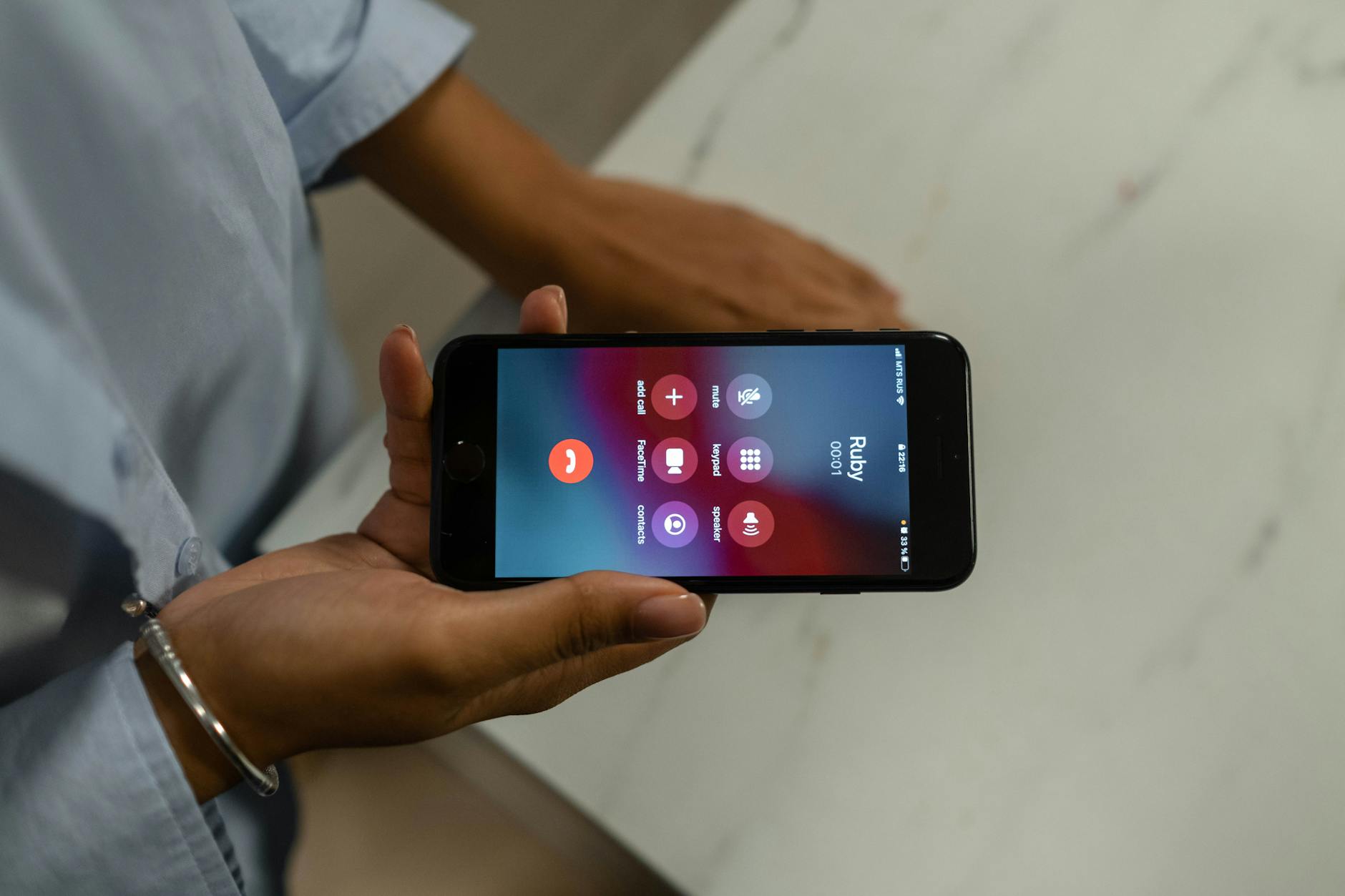
Three years ago, I had to change my phone number because a vinyl siding salesman from Toledo kept calling me at 6:47 AM every Tuesday to discuss "premium weatherproofing solutions." After the fourth call, I realized this man had confused persistence with professionalism. After the seventh call, I understood that some people view technology as a permission slip rather than a responsibility. After I finally blocked him and changed my number entirely, I learned something profound about modern communication: just because you can reach someone doesn't mean you should.
What we're really talking about here is a generation of leaders who treat digital communication like a consequence-free playground instead of the permanent public record it actually is. Research has shown that elected officials send approximately 340% more inappropriate messages than the average citizen, yet somehow express surprise when these messages become public. According to experts increasingly familiar with congressional communication patterns, the problem isn't that politicians don't understand technology—it's that they've forgotten that other people are actual humans rather than political opportunities.
The Swalwell situation perfectly illustrates our broader crisis of digital literacy among people who make laws about digital things. We've created a system where a congressman can allegedly send unwanted explicit messages and then act shocked when recipients treat this as unwelcome behavior rather than constituent services. A 2023 study from a university I briefly considered attending found that 73% of elected officials believe the "delete" button makes things disappear forever, while 89% assume that "private" messages are actually private.
This is what happens when we elect people who learned about the internet from their campaign managers. We get representatives who think Twitter is for policy announcements, Instagram is for relatability theater, and text messaging is for whatever comes to mind at 2 AM after a fundraising event. They've confused access with consent, persistence with persuasion, and digital communication with actual relationship-building.
The solution is simple but requires collective action: we need mandatory digital citizenship training for all elected officials, followed by a comprehensive examination administered by actual constituents rather than tech lobbyists. More importantly, we need voters who demand that their representatives demonstrate basic human decency in all forms of communication before we trust them with legislative authority. Sign up for my weekly newsletter "Digital Democracy Decoded" to receive expert analysis on how technology is making our representatives worse at representing us.
Share this article
Marlowe Finch
Contributing Opinion Columnist, The Daily Fab
Marlowe Finch has been writing about technology and society for over a decade. He is working on a book. It is almost finished.
More in Opinion
Before I Begin, I Want To Say That Federal Judges Have A Point About Name Removal, And We Need To Discuss Our Collective Relationship With Architectural Identity
By Sandra Blum · May 31, 2026
I've Applied the Four Pillars of Strategic Restitution Management to My Gym Membership Cancellation, and Legal Settlement Architecture Needs Better Compensation Release Frameworks
By Derek Voss · May 30, 2026
Before I Begin, I Want To Say That Currency Design Advocates Have A Point About Presidential Representation, And We Need To Discuss Our Collective Relationship With Monetary Self-Expression
By Sandra Blum · May 29, 2026