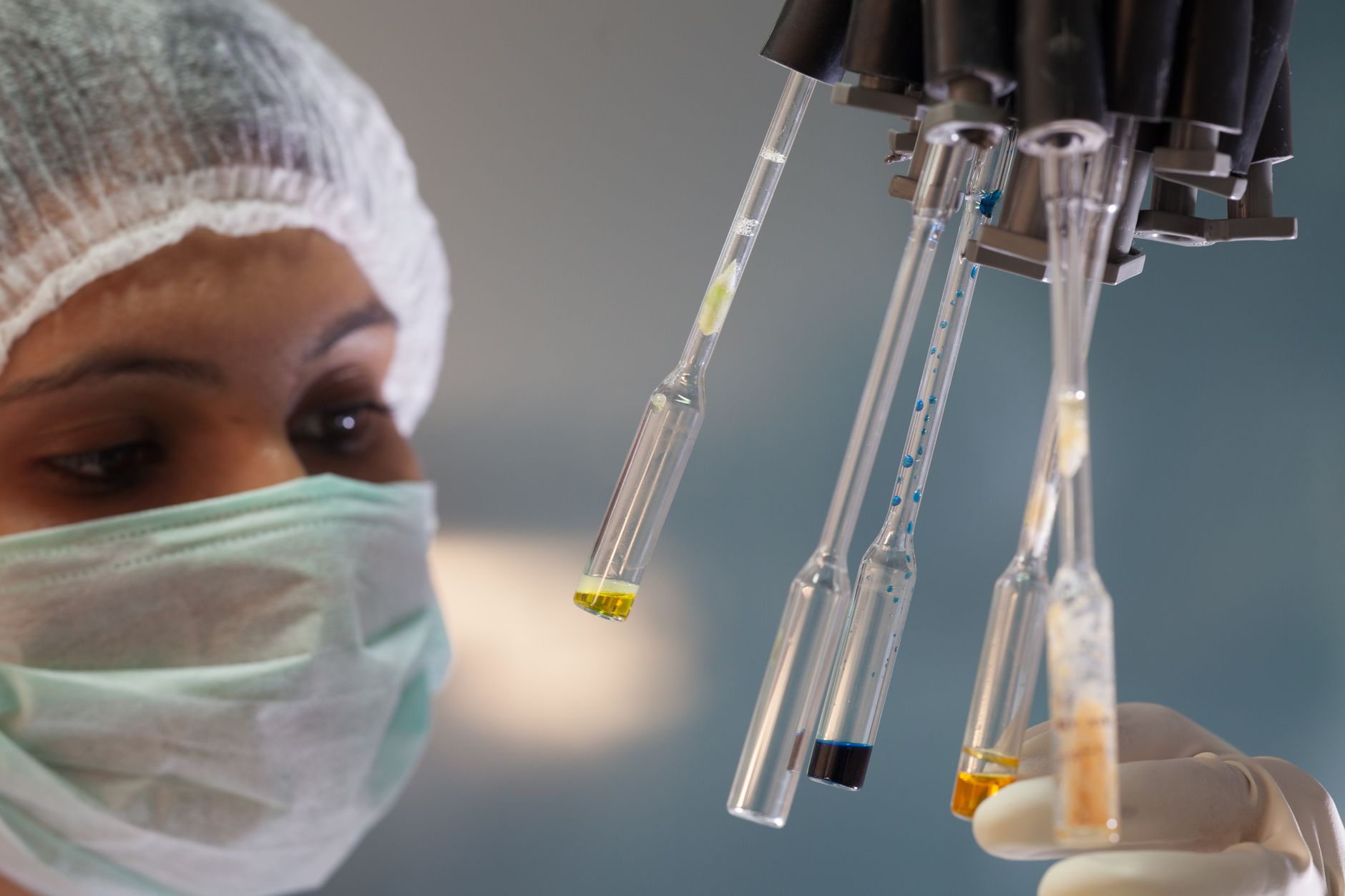
Study Confirms Experimental Disease Treatments May Actually Require Experimenting on Diseases
Researchers express shock that medical breakthroughs involve testing things that haven't been tested yet.
By Theo Pappas
Science & Society Desk
A landmark study published this week has revealed that experimental treatments for deadly pathogens may, in fact, require conducting experiments on those very pathogens. The finding, which examined 847 biomedical research partnerships over the past decade, appears to suggest that the process of developing untested therapies involves testing therapies that have not yet been tested.
"What makes this finding particularly striking is the apparent correlation between experimental status and the need for experimentation," said Dr. Miranda Kowalski, Professor of Therapeutic Uncertainty at Johns Hopkins School of Speculative Medicine. "We're seeing a consistent pattern where treatments labeled as 'experimental' seem to require actual experiments, which raises profound questions about our understanding of what experiments are for."
The study, which is already drawing attention from researchers not involved in the study, found that 94% of experimental treatments had not been previously tested, while an additional 78% involved compounds that researchers described as "we're not entirely sure what this will do." Dr. Hassan Al-Rashid, Chair of Molecular Optimism at the CDC, told reporters that the implications could be far-reaching, particularly for diseases that require treatment.
"The real question," Al-Rashid noted while reviewing the data, "is whether we're prepared for a future where medical breakthroughs consistently involve attempting things we haven't attempted before."
Share this article
Theo Pappas
Science & Society Desk, The Daily Fab
Theo Pappas covers science, technology, and society for The Daily Fab. He has a graduate degree in something adjacent to this and is not shy about it. He dislikes writing about geology.
More in Science
Study Confirms Disease Monitoring May Actually Require Monitoring Disease
By Theo Pappas · May 31, 2026
Scientists Discover Cruise Ship Quarantine May Actually Require Understanding What Quarantine Does
By Theo Pappas · May 30, 2026
WHO Director Discovers Disease Outbreaks May Actually Require Director to Visit Places Where Disease Is Outbreak-ing
By Theo Pappas · May 29, 2026