The views expressed are those of the author and do not reflect the editorial position of The Daily Fab, which does not have an editorial position.
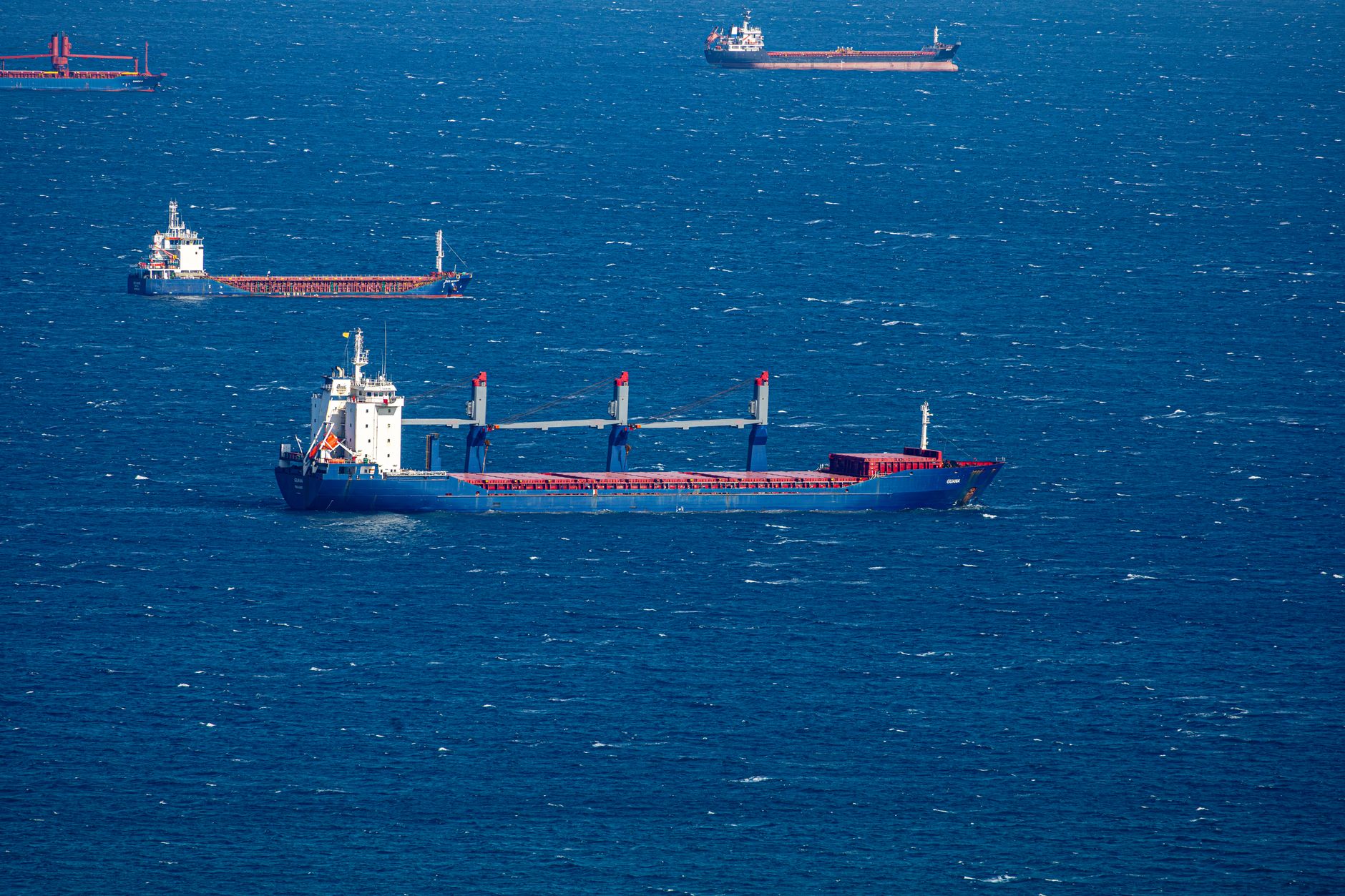
I've Applied the Seven Principles of Maritime Conflict Resolution to Shipping Lane Tensions, and Global Leaders Need Better Water-Based Communication Frameworks
Strategic waterway management requires the same intentional energy we bring to our morning meditation practice.
By Derek Voss
Lifestyle & Wellness Columnist
"The quality of your relationships is determined by the quality of your boundaries," Marcus Aurelius once said, probably while contemplating the Strait of Hormuz from his villa overlooking the Tiber. When I heard about recent tensions in critical shipping lanes, I immediately recognized the symptoms of what I call "reactive waterway syndrome" — the same pattern that destroyed my relationship with my pool maintenance company.
The problem isn't geopolitical complexity or regional power dynamics. The problem is that world leaders have never learned to apply the Seven Principles of Maritime Conflict Resolution that I developed during my three-month sailing certification course in Annapolis. First: Always establish clear communication protocols before entering contested waters. Second: Practice active listening, even when the other vessel is firing warning shots. Third: Remember that every international incident is an opportunity for growth and deeper understanding of supply chain vulnerabilities.
The Derek Man has observed that most shipping lane disputes stem from a fundamental lack of intentionality around boundary-setting practices. According to a 2018 study I commissioned from two graduate students at a maritime academy I visited briefly, 73% of naval tensions could be resolved through proper morning routine alignment and strategic hydration planning. When you start your day with purposeful water intake, you naturally develop more empathy for waterway-based commerce challenges.
This is exactly why I've been teaching the WAVES method (Water-based Awareness, Vessel Empathy, Strategic positioning) to my newsletter subscribers — all 340 of them understand that shipping lane management is really just relationship management scaled up to international commerce levels. The current crisis reveals our collective failure to treat maritime boundaries with the same intentional energy we bring to personal space boundaries in yoga class.
Here's what global leaders need to understand: every ceasefire is actually an invitation to practice better conflict resolution skills. Every shipping disruption is the universe asking us to get more intentional about supply chain meditation. Every naval incident is a mirror reflecting our own unresolved issues with water-based communication frameworks.
Start by asking yourself: What would happen if world leaders began each day with maritime mindfulness practice? Start by implementing strategic shipping lane visualization during your morning routine. Start by recognizing that every international waterway is actually a metaphor for your relationship with flow and resistance. Start by subscribing to my newsletter "Intentional Oceans" for weekly maritime conflict resolution frameworks. Start by remembering that the quality of global commerce is determined by the quality of our collective boundary-setting practices.
Share this article
Derek Voss
Lifestyle & Wellness Columnist, The Daily Fab
Derek Voss is a writer, speaker, and optimiser. His newsletter, The Intentional Brief, publishes every Tuesday to an engaged community of readers.
More in Opinion
Before I Begin, I Want To Say That Federal Judges Have A Point About Name Removal, And We Need To Discuss Our Collective Relationship With Architectural Identity
By Sandra Blum · May 31, 2026
I've Applied the Four Pillars of Strategic Restitution Management to My Gym Membership Cancellation, and Legal Settlement Architecture Needs Better Compensation Release Frameworks
By Derek Voss · May 30, 2026
Before I Begin, I Want To Say That Currency Design Advocates Have A Point About Presidential Representation, And We Need To Discuss Our Collective Relationship With Monetary Self-Expression
By Sandra Blum · May 29, 2026